

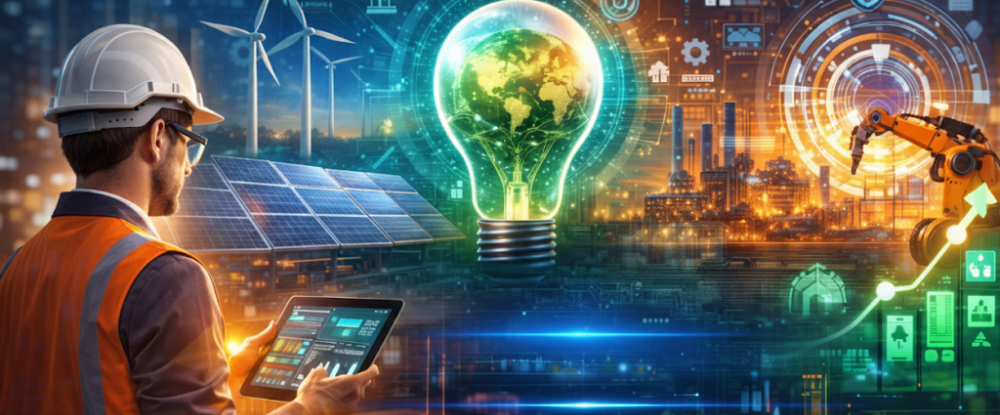
As industries worldwide face growing pressure to increase energy efficiency, energy management has become a critical aspect of modern operations. The need to manage energy resources efficiently is not only crucial for reducing operational costs but also plays a pivotal role in achieving sustainability targets and meeting regulatory requirements. In Singapore, where energy demand continues to rise, businesses must embrace strategic energy management to maintain competitiveness and reduce their environmental footprint
As a leading provider of industrial automation solutions in Singapore, Precicon plays a crucial role in helping businesses manage their energy consumption more effectively. Through energy monitoring systems, power quality solutions, and advanced automation technologies, Precicon is at the forefront of delivering intelligent energy management solutions tailored to the needs of local industries.
What is Energy Management?
Energy management is the practice of monitoring, controlling, and conserving energy in a building, organization, or system. It involves the strategic use of energy resources to improve efficiency, lower costs, and minimize the environmental impact of energy consumption. Energy management encompasses everything from monitoring energy usage, implementing energy-saving initiatives, and using renewable energy sources, to using advanced software systems for real-time data analytics and decision-making.
At its core, energy management aims to balance energy supply with demand, ensuring that energy is used efficiently while minimizing waste. It also involves assessing energy risks, optimizing energy procurement, and identifying opportunities for energy savings through technological innovation and process improvement.
The Role of Automation and Smart Technologies in Energy Management
Precicon’s Integration with Industry 4.0
Precicon’s integration of Industry 4.0 technologies allows for smarter energy management within industrial settings. Through automation, connectivity, and real-time data analytics, businesses can optimize energy use and improve operational efficiency. By utilizing IoT sensors for monitoring energy consumption and PLC systems for automation, businesses gain unparalleled visibility and control over their energy resources. Precicon’s solutions enable integration with SCADA systems for real-time monitoring, providing actionable insights that enhance energy efficiency and reduce costs.
Smart Manufacturing’s Impact on Energy Consumption
Smart manufacturing technologies play a pivotal role in reducing energy waste and improving overall productivity. By integrating energy management solutions into smart factories, industries can automate energy monitoring, minimize energy waste, and implement predictive maintenance strategies. This approach results in improved operational performance and a more sustainable manufacturing process.
Key Technologies
- IoT-based Energy Monitoring: Real-time data collection and analysis help businesses identify energy inefficiencies and optimize usage.
- AI and Machine Learning: Predictive algorithms and continuous learning models drive optimization and improve energy consumption patterns.
- Cloud Computing: Remote management and analytics capabilities enable businesses to manage energy systems more effectively from anywhere.
Read more: Power Monitoring System: Enhancing Efficiency and Reliability in Industrial Operations
Technologies Driving Energy Management
Energy Management Systems (EMS)
Energy Management Systems (EMS) are software platforms that help businesses monitor and optimize energy use in real time. EMS provide a centralized view of energy consumption across an organization, offering insights into performance, trends, and areas for improvement. With advanced analytics capabilities, EMS enables businesses to track energy efficiency, forecast future usage, and optimize their energy strategy accordingly.
Smart Meters and Sensors
Smart meters and sensors are key components of modern energy management. These devices provide real-time data on energy consumption at the granular level. By connecting these devices to energy management systems, businesses can receive detailed insights into usage patterns and identify areas where energy efficiency improvements can be made.
Artificial Intelligence (AI) and Machine Learning
AI and machine learning algorithms are being increasingly used to optimize energy management. These technologies can analyze historical data to predict energy needs, optimize production schedules, and make real-time decisions to reduce consumption. Machine learning models can also continuously improve over time, making energy management systems smarter and more efficient.
Energy Storage Solutions
Energy storage systems, such as batteries, enable businesses to store excess energy generated from renewable sources. By storing energy during off-peak hours and using it during peak demand periods, companies can save on energy costs and make better use of renewable energy. These storage solutions are essential for businesses looking to fully integrate renewable energy into their operations.
Blockchain and Energy Trading
Blockchain technology has the potential to revolutionize energy management, particularly in the context of energy trading. Blockchain-based platforms can enable transparent, secure, and efficient energy trading between organizations, reducing energy costs and increasing access to renewable energy markets.
Conclusion
Energy management is no longer just a cost-saving measure; it is a strategic approach to improving operational efficiency, ensuring regulatory compliance, and promoting sustainability. As businesses and industries continue to face pressure to reduce their environmental footprint and improve energy efficiency, adopting comprehensive energy management strategies will be crucial for long-term success.
By leveraging advanced technologies such as energy management systems, AI, smart sensors, and renewable energy solutions, companies can unlock significant energy savings, enhance their corporate image, and contribute to a greener, more sustainable future.
The future of energy management lies in creating intelligent, interconnected systems that allow for the seamless integration of energy resources, real-time monitoring, and data-driven decision-making. Organizations that invest in energy management today will be better positioned to thrive in an increasingly energy-conscious world.