

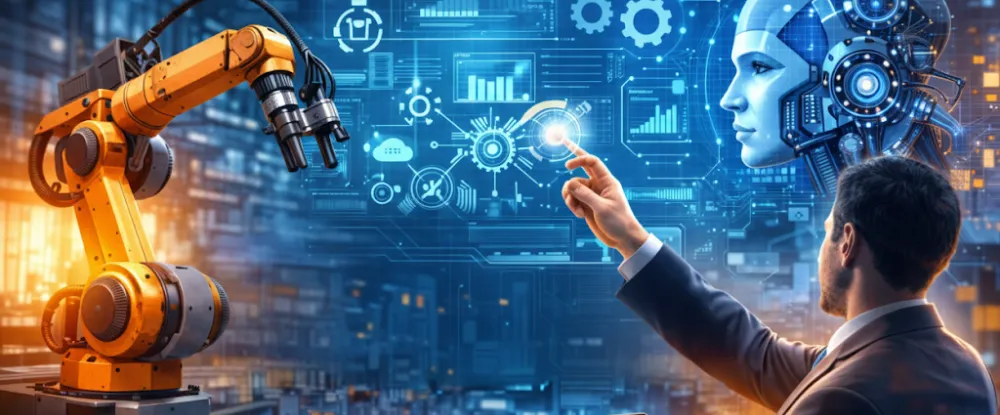
In today’s fast-paced and competitive industries, businesses must optimize operations to remain agile and productive. Automation systems integration has become a critical component in achieving this goal, enabling organizations to streamline processes, enhance efficiency, and drive innovation. By integrating various technologies, from automation tools to software applications, companies can create seamless workflows that improve productivity, reduce costs, and support long-term business growth. This article delves into the significance of automation systems integration, its benefits, and the technologies that drive it.
What is Automation Systems Integration?
Automation systems integration refers to the process of connecting various subsystems, machines, software, and equipment to create a unified, automated operation. The integration of these systems involves designing, implementing, and optimizing different automation components to work together seamlessly. This can include everything from robotic automation, machine control systems, data analytics, and cloud platforms, to enterprise resource planning (ERP) software and customer relationship management (CRM) systems.
By integrating automation solutions across the organization, companies can ensure that all processes are interconnected, efficient, and responsive to real-time changes. The goal of automation systems integration is to eliminate silos, reduce manual intervention, and enable faster decision-making, ultimately improving overall performance.
Key Components of Automation Systems Integration
1. Industrial Automation
At the core of many automation systems integration efforts is industrial automation. This involves the use of control systems, such as programmable logic controllers (PLCs), supervisory control and data acquisition (SCADA) systems, and industrial robots, to automate manufacturing processes. These systems allow for high levels of control, real-time monitoring, and flexibility in production, making it easier to meet customer demands and adapt to market changes.
2. Software Integration
Software plays a significant role in automation systems integration. By integrating enterprise software solutions, such as ERPs, CRMs, and manufacturing execution systems (MES), companies can manage data flow, production scheduling, and inventory tracking with ease. Software integration also allows for better communication between different business functions, such as sales, operations, and logistics.
3. Cloud Computing and IoT
Cloud computing and the Internet of Things (IoT) have revolutionized the possibilities of automation systems integration. With cloud solutions, businesses can store, analyze, and share data across devices and systems, providing real-time insights into operations. IoT devices, such as sensors and smart machinery, can gather data and send it to centralized systems, allowing for predictive maintenance, quality control, and resource optimization.
4. Data Analytics and Machine Learning
Data analytics and machine learning are essential elements of modern automation systems integration. By leveraging these technologies, companies can gain valuable insights from large volumes of data generated by automated systems. Predictive analytics can forecast maintenance needs, optimize workflows, and improve product quality. Machine learning algorithms can also be used to continuously optimize operations, learn from historical data, and make decisions in real time.
5. Human-Machine Interface (HMI)
A user-friendly human-machine interface is vital in automation systems integration, providing operators with real-time visibility into automated processes. HMIs allow operators to monitor machine performance, troubleshoot issues, and adjust settings. A well-designed HMI enables smoother communication between human workers and automated systems, contributing to better decision-making and improved operational efficiency.
Benefits of Automation Systems Integration
Improved Efficiency
Automation systems integration eliminates manual processes and silos within an organization, leading to faster, more efficient operations. By automating routine tasks and integrating various systems, businesses can significantly reduce operational delays, minimize downtime, and increase throughput.
Enhanced Accuracy and Quality
Automated systems reduce human error, ensuring that processes are carried out with precision and consistency. Integration across different stages of production means that quality control can be implemented at every level, from raw material handling to final product inspection. This enhances the overall quality of products and reduces defects.
Cost Reduction
By integrating automation systems, companies can reduce the need for manual labor and human intervention, leading to significant cost savings. Additionally, the real-time data provided by integrated systems allows for better resource allocation, energy savings, and the ability to predict maintenance needs, which helps to prevent costly breakdowns.
Scalability and Flexibility
An integrated automation system allows businesses to scale operations quickly without needing to overhauling their infrastructure. Whether adding new production lines, expanding into new markets, or upgrading technologies, automation systems provide the flexibility required to adapt to changing business needs.
Real-Time Monitoring and Control
Integration allows for real-time data collection, analysis, and decision-making. By having access to up-to-the-minute information, businesses can monitor performance, adjust production schedules, and respond to issues as they arise. This leads to better control over operations and improved agility.
Read more: Factory Digitalization: Revolutionizing Manufacturing for the Future
Technologies Driving Automation Systems Integration
IoT and Industry 4.0
The Industrial Internet of Things (IIoT) is a cornerstone of modern automation systems integration. IIoT devices connect machines, sensors, and software to create a cohesive network that provides real-time insights into every stage of the manufacturing process. This connectivity enhances operational visibility and allows for smarter decision-making. Industry 4.0, characterized by smart factories and interconnected devices, takes automation to the next level by enabling fully integrated, self-optimizing systems.
Artificial Intelligence (AI) and Machine Learning
AI and machine learning are transforming the way automation systems make decisions. These technologies analyze large datasets to optimize operations, predict maintenance schedules, and improve quality control. Over time, machine learning algorithms adapt to new data, continuously refining processes for improved outcomes.
Cloud Solutions and Edge Computing
Cloud platforms enable organizations to centralize their data, ensuring that critical information is accessible anytime and anywhere. With cloud computing, companies can leverage computing power without maintaining large, expensive infrastructure. Edge computing, on the other hand, brings data processing closer to the source, reducing latency and enabling faster decision-making.
Robotics Process Automation (RPA)
Robotics Process Automation (RPA) is widely used for integrating various business functions, such as data entry, invoicing, and reporting. By automating routine office tasks, RPA frees up valuable human resources to focus on more strategic initiatives, enhancing both efficiency and productivity.
Conclusion
Automation systems integration is essential for businesses that wish to remain competitive in an increasingly digital and interconnected world. By implementing integrated automation solutions, companies can streamline their operations, reduce costs, improve quality, and enhance decision-making capabilities. With the continued advancement of technologies such as AI, IoT, cloud computing, and robotics, the potential for automation systems integration will only expand, driving innovation and efficiency across industries.
As industries evolve and adopt more sophisticated automation systems, businesses that embrace integration will be better positioned to meet customer demands, improve productivity, and stay ahead of the curve in the digital age.