

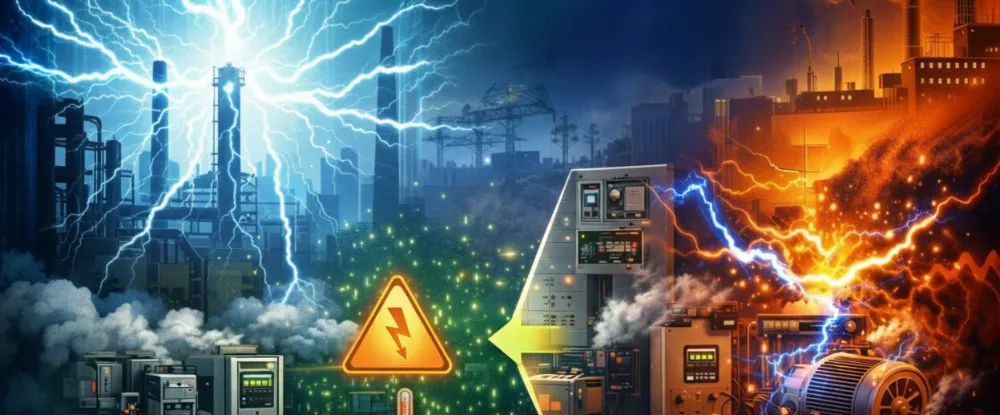
In industrial systems, voltage sags, also known as voltage dips, are a common occurrence that can lead to a range of operational challenges. These brief reductions in voltage can severely impact sensitive equipment, causing unexpected shutdowns, malfunctions, and even long-term damage. Over time, repeated exposure to voltage sags can drastically reduce the longevity of equipment, resulting in costly repairs, frequent replacements, and disruptions to production.
As industries continue to rely on sophisticated machinery for their operations, it is imperative to adopt solutions that address power quality issues like voltage sag. DySC (Dynamic Voltage Sag Corrector) technology provides an innovative approach to this problem, offering immediate compensation for voltage sags and preventing them from affecting critical equipment. In doing so, it plays a crucial role in enhancing equipment longevity, making it a vital solution for industries looking to protect their investments in expensive machinery.
Understanding Voltage Sag and Its Impact on Equipment Longevity
Voltage sags are typically caused by sudden load changes, faults in the power grid, or switching operations. While these sags are usually brief, they can have significant consequences on industrial equipment. Modern industrial systems often rely on sensitive electronic components that are designed to operate within a narrow voltage range. When the voltage drops even slightly below this range, the equipment may fail to function properly or shut down entirely.
The impact of voltage sags on equipment longevity becomes particularly apparent over time. Repeated occurrences of voltage sags can cause internal components to degrade, resulting in:
- Increased Wear and Tear: Sensitive components such as motors, drives, and control systems are often the first to be affected by power disturbances. Voltage sags can cause these components to operate inefficiently, leading to overheating and premature wear.
- Reduced Efficiency: Equipment exposed to frequent voltage sags may experience reduced performance, leading to inefficiencies in operations. This can result in higher energy consumption and more frequent maintenance requirements.
- Component Failure: In extreme cases, voltage sags can lead to irreversible damage to critical components. This not only impacts the performance of the equipment but also leads to costly repairs and replacement of parts.
How DySC Solves Voltage Sag Problems
DySC technology is designed to provide immediate and seamless compensation for voltage sags, ensuring that the equipment continues to receive a stable voltage supply, even during power disturbances. The core function of DySC is to stabilise voltage fluctuations and prevent them from affecting sensitive equipment.
- Instant Compensation for Voltage Sags
DySC provides a rapid response to voltage dips, compensating for the reduction in voltage by supplying the necessary power to the affected equipment. This ensures that machinery continues to operate as intended, without interruptions or malfunctions. By providing instant voltage correction, DySC prevents the equipment from experiencing the detrimental effects of sags, significantly reducing the risk of damage or shutdowns.
- Minimising Stress on Equipment
One of the primary benefits of DySC is its ability to reduce the stress placed on equipment during voltage sags. With stable voltage levels, industrial systems are less likely to experience overheating, improper operation, or damage to critical components. By preventing these conditions, DySC helps extend the life of industrial equipment, contributing to long-term reliability and cost savings.
- Protecting Sensitive Electronics
Modern industrial systems often incorporate sensitive electronics that are particularly vulnerable to power disturbances. For example, variable frequency drives (VFDs), programmable logic controllers (PLCs), and sensitive control circuits are all at risk of malfunctioning during a voltage sag. DySC ensures that these components are protected by providing voltage stabilisation, allowing them to operate within their required parameters and preventing damage that could compromise their longevity.
Impact of DySC on Equipment Longevity
By addressing the issue of voltage sags, DySC has a direct and positive impact on equipment longevity. Here are some of the key ways DySC contributes to extending the life of industrial equipment:
- Reduced Frequency of Failures
Since DySC ensures a stable voltage supply, equipment is less likely to experience unplanned shutdowns caused by voltage disturbances. This leads to a reduction in the frequency of equipment failures and, as a result, a longer lifespan for critical components. Fewer failures mean fewer repair costs and less downtime, making DySC an effective long-term investment.
- Lower Maintenance Costs
Equipment that is protected from voltage sags requires less frequent maintenance, as it is not subjected to the stress and degradation caused by power fluctuations. DySC’s ability to maintain voltage stability helps prevent issues that typically result in costly repairs, allowing businesses to optimise their maintenance schedules and reduce costs.
- Optimising Equipment Performance
DySC not only protects equipment from voltage sags but also ensures that it operates efficiently. By maintaining a stable voltage supply, DySC helps improve the overall performance of industrial systems. This efficiency contributes to a more sustainable operation, as equipment is able to perform at its peak without being affected by power quality issues.
- Enhanced Reliability and Productivity
Industrial operations are often time-sensitive, and any interruption can have significant consequences. DySC helps maintain consistent operation, preventing voltage sags from disrupting processes. With improved reliability, equipment is able to function continuously, increasing productivity and ensuring that production targets are met without delays.
Case Studies: DySC in Action
Many industries have already experienced the benefits of DySC in protecting their equipment from voltage sag and improving equipment longevity. For example, in the subway systems of New York and Hong Kong, DySC has been used to ensure the continuous operation of critical safety equipment, such as tunnel fans. These fans are essential during emergencies, and DySC helps protect them from voltage sags, ensuring they can start up even under adverse conditions.
In manufacturing, companies like Loparex have used DySC to safeguard their production lines from the effects of voltage sags. By reducing downtime and improving equipment longevity, DySC has helped companies like Loparex save significant amounts of money, while also extending the lifespan of their machinery.
Conclusion
Voltage sags pose a significant threat to the longevity and reliability of industrial equipment. Repeated exposure to power disturbances can result in increased wear, reduced efficiency, and component failure, all of which shorten the lifespan of critical machinery. DySC technology offers an effective solution to this problem by providing real-time voltage compensation, reducing stress on equipment, and enhancing equipment longevity.
By investing in DySC systems, industries can protect their valuable equipment, reduce maintenance costs, and ensure the continued efficiency of their operations. In turn, this contributes to a more sustainable, cost-effective, and reliable industrial environment.