

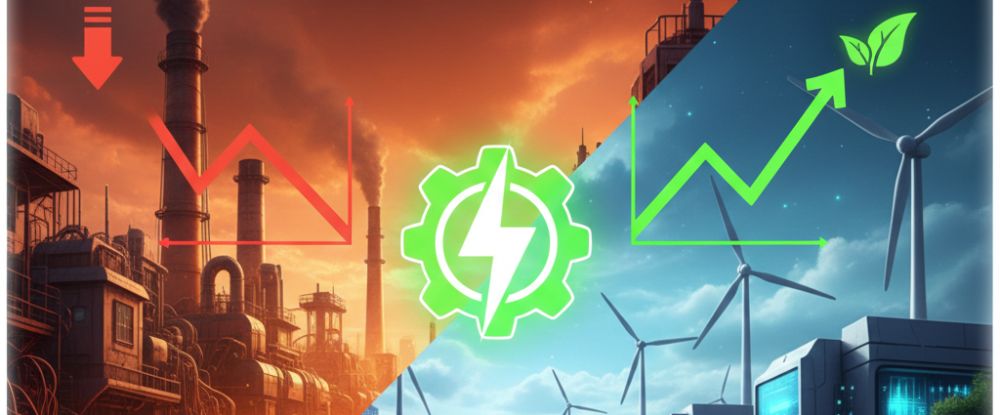
In an increasingly energy-conscious world, businesses are continually searching for ways to reduce energy consumption while enhancing operational efficiency. Energy efficiency solutions are at the forefront of this transformation, offering significant benefits to organizations striving to minimize costs, improve sustainability, and comply with environmental regulations. These solutions not only help organizations reduce their carbon footprint but also ensure long-term cost savings, improved productivity, and greater environmental responsibility.
This article explores the importance of energy efficiency solutions, the key technologies driving these innovations, and how businesses can adopt strategies to optimize their energy use.
What Are Energy Efficiency Solutions?
Energy efficiency solutions are technologies, strategies, and practices that reduce energy consumption without compromising on productivity or performance. These solutions help organizations optimize the use of energy, minimize waste, and lower operating costs by improving the overall energy performance of buildings, industrial operations, and infrastructure.
From advanced lighting systems and HVAC controls to intelligent automation and renewable energy integration, energy efficiency solutions cover a broad spectrum of approaches designed to reduce energy use and optimize resource management. By leveraging these solutions, businesses can not only cut costs but also enhance their sustainability efforts and contribute to global environmental goals.
Key Technologies Driving Energy Efficiency Solutions
Smart Building Automation
Smart building automation systems are revolutionizing energy efficiency by integrating advanced technologies like sensors, actuators, and automated control systems. These systems allow businesses to monitor and control energy use in real-time, adjusting lighting, heating, cooling, and other systems based on occupancy, time of day, and environmental conditions. Companies like Legrand offer energy-efficient solutions for buildings, providing smart systems that automatically optimize energy consumption and reduce waste.
Energy Management Systems (EMS)
Energy Management Systems are software platforms that provide real-time insights into energy usage, enabling businesses to track and analyze consumption patterns. These systems identify inefficiencies, offer actionable recommendations for energy optimization, and help businesses set targets for energy savings. Siemens offers a suite of energy efficiency services that integrate EMS technology to help organizations reduce energy waste, improve system reliability, and minimize operating costs through data-driven decision-making.
Lighting and HVAC Optimization
Energy-efficient lighting and HVAC systems are essential components of energy management strategies. LED lighting, for example, consumes up to 75% less energy compared to traditional incandescent bulbs while providing the same level of brightness. Automated control systems for HVAC systems optimize heating, ventilation, and air conditioning, reducing energy consumption by adjusting temperature settings based on occupancy and outdoor weather conditions. Companies such as Gevernova provide solutions that integrate these systems to maximize energy savings while maintaining comfort and performance.
Renewable Energy Integration
Incorporating renewable energy sources, such as solar or wind power, into energy systems is an important strategy for reducing energy costs and dependence on non-renewable resources. By integrating solar panels, wind turbines, or geothermal systems, businesses can generate their own clean energy and decrease reliance on grid power. Gevernova offers energy-efficient solutions that incorporate renewable energy into grid systems, helping organizations adopt cleaner, more sustainable energy sources while reducing their carbon footprint.
Power Distribution and Grid Efficiency
Power distribution systems also play a crucial role in energy efficiency. Modernizing grid infrastructure with advanced technologies such as smart meters, energy storage, and intelligent grid management solutions can significantly reduce energy losses during transmission and distribution. Siemens’ digital enterprise services focus on improving grid efficiency, ensuring that energy is distributed more effectively, reducing energy waste, and optimizing overall energy management across industries.
Predictive Analytics and AI
Artificial intelligence (AI) and predictive analytics are increasingly being applied to energy efficiency solutions. These technologies analyze data from energy usage patterns, equipment performance, and environmental factors to predict energy demand and identify inefficiencies. By leveraging AI, businesses can implement predictive maintenance strategies to prevent equipment failure, optimize energy consumption, and reduce downtime, ultimately improving the bottom line. AI-driven solutions can also enhance decision-making by automating adjustments to energy use based on real-time data.
Read more: Industrial Energy Management: Optimizing Energy Use for Enhanced Efficiency and Sustainability
How to Implement Energy Efficiency Solutions
To successfully implement energy efficiency solutions, businesses should start by conducting a thorough energy audit to identify areas where energy use can be optimized. Based on the audit findings, companies can invest in the right technologies, such as smart lighting systems, energy management software, or HVAC optimization solutions, that align with their energy-saving goals.
It is also important to involve employees in energy efficiency initiatives by promoting energy-saving practices and encouraging them to contribute to sustainability efforts. Regular monitoring, data analysis, and reporting are key to tracking progress and ensuring that energy efficiency goals are being met.
Conclusion
Energy efficiency solutions are no longer just an option—they are a strategic necessity for businesses aiming to reduce costs, improve sustainability, and remain competitive in an increasingly eco-conscious market. By leveraging the latest technologies in energy management, building automation, and renewable energy integration, businesses can significantly reduce their energy consumption, lower operational costs, and contribute to a greener, more sustainable future.
As energy efficiency continues to be a top priority for industries worldwide, adopting these solutions will not only help companies meet their sustainability targets but also position them for long-term success in the global market.