

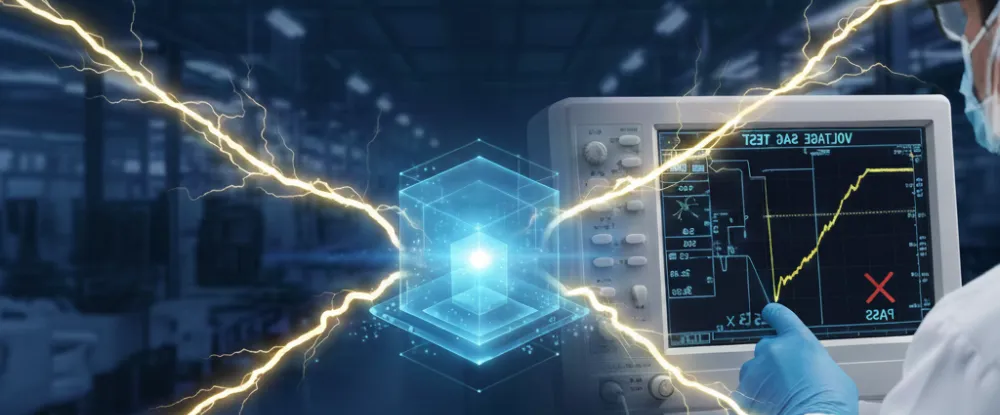
In today’s fast-paced manufacturing environments, uptime is a crucial factor that directly impacts productivity, efficiency, and profitability. However, one often-overlooked challenge is the quality of electrical power that powers these systems. Voltage sags, also known as dips, can cause equipment to malfunction, disrupt production lines, and ultimately lead to costly downtime. This is where Dynamic Sag Correctors (DySC) come into play, offering a robust solution to minimize downtime and improve manufacturing uptime by stabilizing voltage during transient disturbances.
What are Voltage Sags and Why Do They Matter?
A voltage sag is a brief drop in the voltage supply, typically caused by sudden load changes, grid disturbances, or faults in the electrical system. These sags can last anywhere from a fraction of a second to a few seconds but can have significant consequences in industrial settings. In manufacturing, voltage sags can cause sensitive equipment, such as programmable logic controllers (PLCs), industrial computers, and motor drives, to shut down, leading to unplanned interruptions in production. These disruptions often result in high costs due to downtime, waste, and reduced efficiency.
For manufacturers, this means not only halted production but also potential damage to expensive equipment, increased waste material, and costly rework. The challenge is compounded by the fact that these voltage sags are often unpredictable and unmonitored, making it difficult for plant managers to assess the damage or take immediate corrective action.
How Dynamic Sag Correctors (DySC) Help
Dynamic Sag Correctors (DySC) are cutting-edge solutions designed to address voltage sags and ensure stable power supply during transient disturbances. Unlike traditional systems, which rely on backup batteries or uninterruptible power supplies (UPS), DySC units use advanced inverter technology to “ride through” short-term voltage sags. The system quickly compensates for the voltage dip and maintains a stable output, ensuring that sensitive equipment continues to operate without interruption.
Here are some key ways DySCs improve manufacturing uptime:
1. Reducing Downtime from Voltage Sags
The primary benefit of DySC technology is its ability to minimize downtime caused by voltage sags. For instance, in manufacturing environments where precision is crucial, even a momentary dip in voltage can stop equipment and halt the entire production line. By stabilizing voltage in real-time, DySC systems help keep equipment running smoothly, avoiding unnecessary shutdowns and delays.
2. Enhanced Equipment Protection
Voltage sags can cause irreversible damage to sensitive equipment, such as motors, drives, and PLCs, leading to costly repairs or replacements. DySC systems protect these critical assets by preventing them from experiencing damaging voltage fluctuations. This protection not only extends the lifespan of equipment but also reduces maintenance costs and improves overall equipment reliability.
3. Improved Operational Efficiency
By maintaining stable voltage during disturbances, DySCs reduce the need for operators to manually intervene and restart production lines. This leads to faster recovery times after disturbances and improved operational efficiency. Manufacturers can achieve higher throughput, lower scrap rates, and more consistent product quality, all of which contribute to better manufacturing uptime.
Conclusion
For manufacturers, maintaining uptime is key to staying competitive and ensuring profitability. Voltage sags can pose a serious threat to operational continuity, causing unplanned downtime, equipment damage, and waste. However, by implementing Dynamic Sag Correctors (DySC), manufacturers can protect their critical equipment from the detrimental effects of voltage fluctuations and reduce downtime. Real-world case studies, like those of Loparex and a Chinese manufacturing facility, demonstrate the effectiveness of DySC technology in improving manufacturing uptime.
As industries continue to prioritize operational efficiency and sustainability, investing in advanced voltage sag correction systems like DySC will become an increasingly important strategy for ensuring reliable, uninterrupted production and enhancing overall productivity.
Ready to enhance your facility’s power quality? Contact us to discuss how Dynamic Sag Correctors (DySC) can solve your voltage sag challenges. Our team is here to help you integrate this advanced technology into your manufacturing process. Reach out to us via Contact Us for more details.
FAQ
- What is a voltage sag, and how does it affect manufacturing?
A voltage sag is a brief drop in voltage, often caused by grid disturbances or large electrical load changes. In manufacturing, even a short voltage dip can disrupt sensitive equipment, cause production delays, damage machinery, and increase waste material, leading to significant operational losses and downtime. - How do Dynamic Sag Correctors (DySC) work?
DySC systems use advanced inverter technology to stabilize voltage during transient disturbances. They detect voltage sags and quickly compensate for the dip, ensuring continuous power supply to sensitive equipment without interruption. Unlike traditional systems, DySCs don’t rely on batteries and offer a more energy-efficient solution with low maintenance needs. - What industries benefit the most from DySC solutions?
DySC solutions are particularly beneficial in industries with high dependence on sensitive equipment, such as manufacturing, semiconductors, pharmaceuticals, automotive production, and food processing. These industries often face high costs from downtime and equipment failure, making DySC an effective solution to improve reliability and reduce losses.