


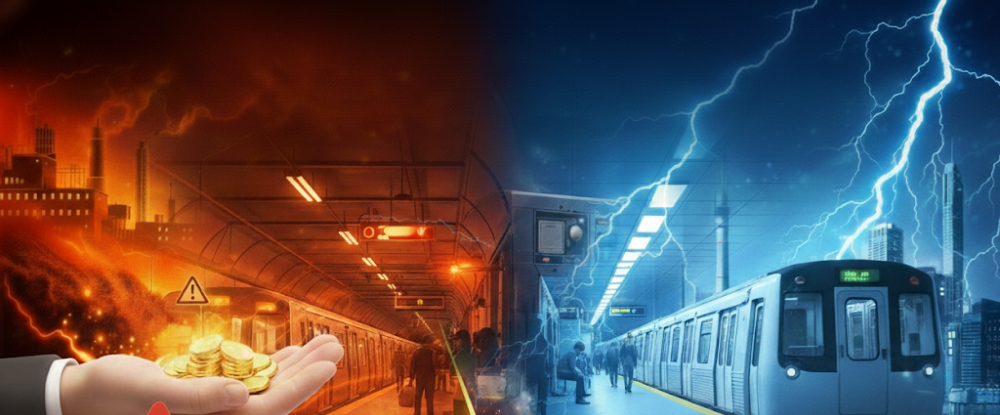
Urban subway systems are the backbone of modern public transport in bustling cities, providing a fast and reliable mode of transportation for millions of passengers every day. Given the complexity and scale of subway operations, ensuring subway safety is paramount. One of the most critical elements of maintaining a safe and efficient subway system is managing the power supply and preventing disruptions that could cause accidents, delays, or system failures. This is where Dynamic Sag Corrector (DySC) systems come into play.
In this article, we will explore how DySC technology enhances subway safety, prevents power interruptions, and ensures smooth, uninterrupted operation in urban subway systems.
The Role of Power Quality in Subway Safety
Subway systems rely heavily on stable and continuous electrical power to drive trains, manage signals, control lights, and operate other critical infrastructure. Even minor disruptions in power quality, such as voltage sags, can cause significant safety risks in subway operations.
Voltage sags are temporary reductions in voltage levels that can result from faults or load imbalances in the power grid. These fluctuations can lead to:
- Train delays: Voltage sags can disrupt the operation of train systems, causing delays or stoppages.
- Equipment failure: Critical systems such as signalling, lighting, and communication can fail, leaving passengers and operators at risk.
- Safety hazards: In a subway environment, even a brief interruption in power could lead to accidents, such as derailments or signal failures, endangering passengers and staff.
How DySC Systems Improve Subway Safety
DySC systems are designed to address these issues by correcting voltage sags in real-time, thus ensuring uninterrupted power supply and enhancing safety in urban subway systems.
- Prevention of Power Interruptions
DySC systems work by immediately detecting voltage sags and providing a quick injection of power to restore the voltage to normal levels. This prevents power interruptions, ensuring that the train systems, signalling, and other critical equipment continue to function smoothly without delays. With DySC in place, subway operations remain unaffected by temporary voltage disturbances, ensuring the safety of passengers and staff. - Enhancing System Reliability
A major aspect of subway safety is the reliability of the electrical infrastructure. DySC technology significantly improves the reliability of power systems by providing a buffer against voltage fluctuations. This ensures that sensitive equipment such as train control systems, signalling, and communication networks remain operational, even during power disturbances. With a reliable power supply, subway operators can avoid the risks associated with equipment failure, ensuring that all safety protocols are followed and systems operate as designed. - Mitigating Risks of Equipment Damage
In subway operations, the cost of repairing or replacing damaged equipment can be substantial. Voltage sags, even if brief, can damage sensitive electrical components that are essential for safe operations. DySC systems prevent this by stabilising the voltage levels, thereby reducing the likelihood of equipment failure or damage. By protecting sensitive equipment from power fluctuations, DySC helps subway operators maintain the safety and reliability of their infrastructure, avoiding costly repairs and ensuring that all systems are working as intended. - Ensuring Safe Train Operation
For subway trains, power is crucial for both propulsion and braking systems. Voltage dips can affect train movement, leading to possible delays or even accidents. DySC technology ensures that power remains stable, providing continuous operation of the train’s propulsion and braking systems. This is especially important in high-traffic urban subways, where the timely and safe operation of trains is essential to prevent accidents or overcrowding. - Real-Time Voltage Correction
The primary advantage of DySC technology is its speed. DySC systems can detect and correct voltage sags in less than a second, offering a rapid response that is essential in a fast-moving and time-sensitive environment like a subway system. By correcting voltage issues almost instantly, DySC ensures that subway systems are not subjected to the negative impacts of power fluctuations, allowing for a smooth, continuous service without compromising safety.
The Benefits of DySC Systems for Subway Safety
- Enhanced Passenger Safety: By preventing power interruptions, DySC ensures that all safety features, such as signalling, emergency lighting, and communication systems, remain functional at all times.
- Minimised Risk of Accidents: Stable power reduces the risk of operational disruptions that could lead to accidents, such as train collisions or derailments.
- Operational Efficiency: DySC systems allow for continuous, efficient operation of the subway, reducing the chances of delays or system shutdowns caused by power issues.
- Cost-Effective Solution: DySC technology helps subway operators avoid costly equipment repairs and downtime, ultimately saving money in the long run while enhancing overall safety.
Conclusion
DySC systems play a crucial role in enhancing subway safety by ensuring a stable and reliable power supply, protecting sensitive equipment, and preventing power interruptions that could disrupt operations. By investing in DySC technology, subway operators can significantly improve the safety and efficiency of their systems, safeguarding passengers, staff, and infrastructure.
For businesses in Singapore looking to improve the safety and reliability of their power systems, Precicon offers cutting-edge DySC solutions that can help. Visit Precicon’s Contact Us page to get in touch with our experts, or explore our range of products at Power Quality Management.