

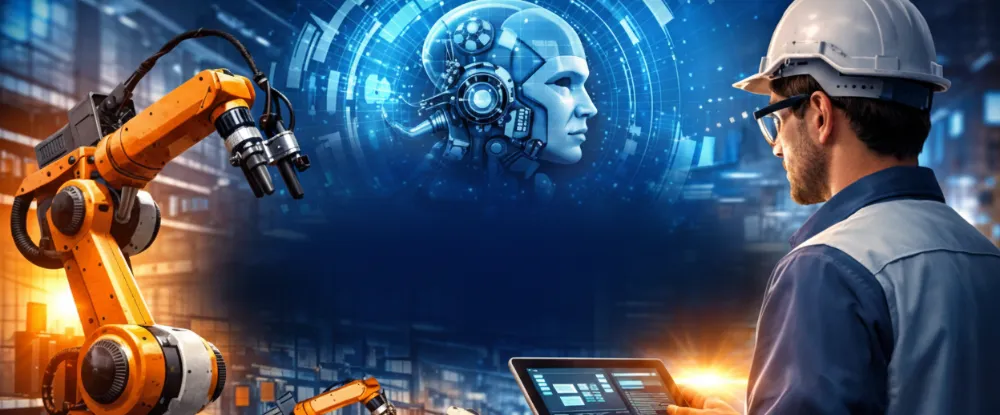
As industries strive to increase efficiency, reduce costs, and maintain competitive advantage, industrial automation solutions have emerged as a critical enabler. By integrating advanced technologies such as robotics, sensors, artificial intelligence (AI), and machine learning, industrial automation transforms traditional manufacturing processes into smart, efficient, and self-regulating systems. In this article, we will explore the key benefits, components, and technologies behind industrial automation solutions and how they are revolutionizing industries today.
What Are Industrial Automation Solutions?
Industrial automation solutions refer to the use of control systems, including computers, programmable logic controllers (PLCs), and robots, to handle processes within manufacturing environments. These systems allow for the automation of tasks traditionally performed by human labor, optimizing operations across industries such as automotive, food and beverage, chemicals, pharmaceuticals, and electronics.
The goal of industrial automation is to increase productivity while ensuring higher precision, consistency, and safety. From automated assembly lines to advanced data analytics, automation solutions help manufacturers adapt to modern challenges by providing scalable and reliable systems that can operate 24/7.
Key Components of Industrial Automation Solutions
1. Control Systems
At the heart of industrial automation is the control system, which includes PLCs and Distributed Control Systems (DCS). These systems are responsible for monitoring and controlling machinery, processes, and equipment within a factory. They gather data from sensors, analyze it, and send commands to actuators to control the machines.
2. Robotics
Robotics is one of the most widely adopted technologies in industrial automation. Robots are used in various tasks such as assembly, material handling, welding, packaging, and quality control. They offer significant advantages, including precision, repeatability, and the ability to work in hazardous environments where human workers may be at risk.
3. Sensors and Actuators
Sensors are crucial for monitoring environmental conditions and operational metrics in real-time. These sensors measure variables like temperature, pressure, humidity, and speed, providing data to the control systems. Actuators, on the other hand, perform physical actions based on the commands received from the control systems, enabling automation processes.
4. Human-Machine Interfaces (HMIs)
HMIs are the interaction point between operators and the automation system. These interfaces display real-time data, system performance, and alarms, allowing operators to monitor and control the automated processes efficiently. Modern HMIs are designed to be user-friendly and provide intuitive visualizations of the operational status of the system.
5. Industrial Internet of Things (IIoT)
The IIoT connects machines, devices, and systems within the factory to the internet, enabling the collection and exchange of data. By integrating IoT devices, manufacturers gain access to real-time insights, enabling predictive maintenance, remote monitoring, and enhanced decision-making.
Key Benefits of Industrial Automation Solutions
1. Increased Productivity
Automation leads to significant improvements in productivity. Machines can operate continuously without breaks, leading to higher throughput and faster production cycles. Tasks that previously required significant manual labor can now be performed faster and more consistently, reducing bottlenecks in production.
2. Improved Quality and Consistency
One of the most important advantages of industrial automation is its ability to maintain consistent quality. Automated systems perform tasks with a high degree of precision and repeatability, which minimizes the risk of human error and ensures that products meet strict quality standards.
3. Enhanced Safety
Automation can significantly enhance safety in the workplace by taking over dangerous tasks that may pose risks to human workers. For instance, robots can be deployed in hazardous environments such as those requiring high temperatures, toxic chemicals, or heavy lifting, reducing the likelihood of accidents and injuries.
4. Cost Reduction
While the initial investment in automation technology may be high, the long-term savings are significant. Reduced labor costs, fewer errors, and less downtime lead to overall cost reductions. Automation also helps optimize resource usage, improving energy efficiency and reducing waste.
5. Flexibility and Scalability
Modern industrial automation systems are highly flexible and scalable. Manufacturers can easily modify or expand automated systems to accommodate new products or production methods. This adaptability allows companies to respond quickly to changes in market demand or product specifications.
Read more: Industrial Automation in Singapore: A Future-Ready Manufacturing Hub
Technologies Driving Industrial Automation
Artificial Intelligence (AI) and Machine Learning
AI and machine learning algorithms are increasingly being used in industrial automation to analyze large volumes of data and optimize production processes. AI can predict equipment failures, adjust production schedules, and even manage inventory levels autonomously. This intelligence makes factories smarter, more efficient, and more adaptable to changing conditions.
Collaborative Robots (Cobots)
Cobots are designed to work alongside human operators, enhancing their capabilities rather than replacing them entirely. These robots are safer and easier to interact with than traditional industrial robots, making them ideal for tasks such as assembly, packaging, and quality inspection in environments that require human oversight.
Edge Computing
Edge computing involves processing data closer to the source, such as within the factory floor itself, rather than sending it to a centralized cloud server. This reduces latency, ensures faster decision-making, and enhances real-time monitoring of equipment and processes, which is crucial for mission-critical applications in industrial automation.
Digital Twins
Digital twins are virtual replicas of physical systems that can simulate real-world processes. They allow manufacturers to test, monitor, and optimize their operations in a virtual environment before implementing changes in the real world. By using digital twins, companies can avoid costly mistakes, improve maintenance schedules, and optimize the performance of machinery.
Industrial Automation Solutions in Practice
Numerous industries have successfully integrated industrial automation solutions to improve their operations. For example:
- Automotive Industry: Automation has revolutionized the automotive sector by streamlining assembly lines, improving welding and painting accuracy, and optimizing supply chain management.
- Food and Beverage Industry: Automation ensures faster packaging, labeling, and sorting of products while meeting food safety standards and regulatory requirements.
- Pharmaceutical Industry: Automation plays a crucial role in maintaining precise control over the manufacturing of drugs, ensuring consistent quality and compliance with regulatory standards.
Conclusion
Industrial automation solutions are the cornerstone of modern manufacturing. By leveraging cutting-edge technologies such as robotics, AI, IoT, and machine learning, companies can optimize their operations, enhance productivity, and ensure safety in the workplace. As industries continue to evolve, those who adopt automation solutions will be better positioned to thrive in an increasingly competitive global marketplace.
At the forefront of this transformation, leading companies like Hahn Automation, Schneider Electric, and Schaeffler are pioneering the way forward, providing customized solutions that cater to the unique needs of manufacturers. As more industries embrace these innovations, the future of manufacturing will be defined by efficiency, intelligence, and sustainability.
Reference:
– https://www.hahnautomation.group/industrial-automation/
– https://www.se.com/id/en/work/solutions/industrial-automation-solutions/
– https://www.schaeffler.co.id/en/products-and-solutions/industrial/industry_solutions/industrial-automation/