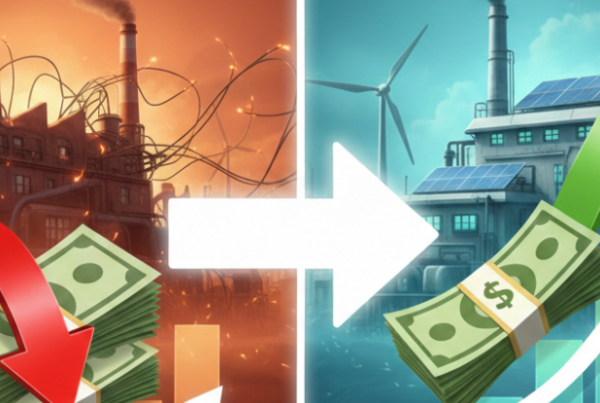



In the modern industrial landscape, managing energy consumption efficiently is not only critical for cost savings but also for achieving sustainability goals. With the rising costs of energy and growing environmental concerns, industrial energy management has become a strategic focus for businesses looking to optimize operations, reduce energy costs, and enhance their environmental responsibility. By adopting advanced energy management solutions, industries can improve their overall performance, reduce waste, and create more sustainable and efficient operations.
This article explores the concept of industrial energy management, the technologies and strategies behind it, and the benefits it brings to organizations striving to optimize their energy use.
What is Industrial Energy Management?
Industrial energy management involves the monitoring, controlling, and optimizing of energy consumption in industrial operations. This system integrates technology, processes, and data to provide real-time insights into energy usage, enabling businesses to make informed decisions that minimize energy waste and improve operational efficiency.
An effective energy management system (EMS) typically includes a combination of advanced metering, energy monitoring software, and automation tools to manage the entire energy lifecycle from generation and consumption to energy storage. The ultimate goal is to help industrial facilities reduce their energy consumption, lower costs, and reduce their environmental footprint while maintaining optimal production levels.
Key Technologies Driving Industrial Energy Management
Energy Management Systems (EMS)
Energy Management Systems (EMS) are at the core of industrial energy management solutions. These systems enable industries to monitor and control energy usage in real-time. By collecting data from energy meters, sensors, and other connected devices, EMS provides actionable insights into energy consumption patterns. They allow businesses to optimize energy performance by tracking energy usage at the equipment, system, and plant levels.
Siemens, for example, offers industrial energy management services that leverage advanced data analytics, AI, and cloud-based platforms. These systems not only provide real-time insights but also use predictive analytics to forecast energy demand, identify inefficiencies, and recommend optimization strategies.
Automation and Control Systems
Automation is a key component of industrial energy management, as it helps streamline processes, improve efficiency, and reduce energy waste. Rockwell Automation provides solutions that integrate energy management with control systems. By incorporating automation, industries can optimize energy use in processes like production scheduling, machinery operation, and HVAC systems, ensuring that energy is consumed only when necessary.
Artificial Intelligence and Data Analytics
Artificial intelligence (AI) and advanced analytics are transforming the way industries manage energy. AI algorithms can analyze vast amounts of data from various systems to predict energy needs, optimize consumption, and detect anomalies in energy usage. With machine learning, systems continuously learn from past energy consumption patterns to optimize energy management strategies and ensure the most efficient use of energy resources.
By utilizing AI-driven energy management tools, industries can identify trends, prevent downtime, and implement predictive maintenance for energy-intensive equipment, thereby reducing energy costs and preventing unnecessary breakdowns.
Smart Meters and Sensors
Smart meters and sensors are essential for industrial energy management. These devices collect real-time data on power consumption, voltage, current, and power quality, providing a detailed view of how energy is used across the entire facility. By installing smart meters at key points, businesses can gain granular insights into their energy consumption and make data-driven decisions to improve efficiency.
For example, companies like Bryanasia provide industrial energy management systems that integrate smart meters and sensors to monitor and control energy consumption in real time. This allows businesses to track energy performance across machines, production lines, and entire facilities.
Renewable Energy Integration
The integration of renewable energy sources, such as solar or wind power, is another important aspect of industrial energy management. By supplementing energy needs with renewable resources, industries can reduce their dependence on fossil fuels and minimize their environmental impact. Additionally, using energy storage solutions helps ensure that renewable energy is available when required, even during periods of low generation.
Siemens and other service providers offer solutions that allow businesses to integrate renewable energy into their operations, ensuring that energy is both sustainable and cost-effective.
Read more: Energy Efficiency Solutions: Optimizing Performance and Sustainability for a Greener Future
Implementing Industrial Energy Management: Key Considerations
To successfully implement industrial energy management, companies need to take a holistic approach. Here are a few key steps to consider:
- Conduct an Energy Audit: The first step is to assess current energy usage across the facility. This audit will identify areas of inefficiency and provide a baseline for improvement.
- Set Clear Energy Goals: Businesses should define clear energy-saving targets that align with their sustainability and operational objectives.
- Invest in Technology: Implementing energy management systems, automation, and smart sensors is essential to achieving energy optimization. These technologies provide the necessary tools to monitor, analyze, and control energy consumption in real-time.
- Employee Engagement: Employees should be trained on energy efficiency practices and encouraged to participate in sustainability efforts. This includes actions such as turning off equipment when not in use and optimizing machine performance.
- Monitor and Optimize: Regularly monitor energy consumption, review data, and optimize strategies to ensure that energy-saving goals are met and exceeded.
Conclusion
As industries face increasing pressure to reduce energy costs and mitigate their environmental impact, industrial energy management has become a critical area of focus. By leveraging the latest technologies in automation, AI, and energy monitoring, businesses can achieve significant energy savings, improve operational efficiency, and contribute to global sustainability efforts.
With solutions from leaders like Siemens, Bryanasia, and Rockwell Automation, businesses now have access to powerful tools that help them manage and optimize their energy use. The future of industrial energy management lies in smart, data-driven solutions that not only enhance efficiency but also support a cleaner, more sustainable world.