

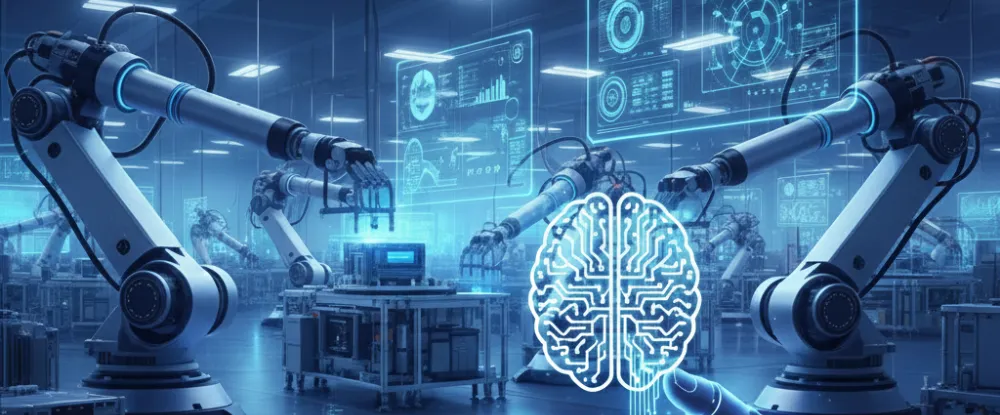
As Singapore moves towards becoming a Smart Nation, the integration of Smart Manufacturing technologies is driving a new era of innovation. Through advanced technologies like the Internet of Things (IoT), Artificial Intelligence (AI), and the Digital Twin, the manufacturing landscape is evolving. Smart factories are no longer just a concept—they are the key to achieving better products, faster availability, and sustainable manufacturing solutions.
In this article, we will explore the core technologies behind smart factories, the real-world impact they are having on industries, and how they align with Singapore’s national vision for the future of production.
1. Core Technologies: IoT, AI, and Digital Twin
The backbone of any smart factory lies in the advanced technologies that drive automation and connectivity. These core technologies allow manufacturers to optimize their processes, improve efficiency, and enable predictive maintenance to prevent downtime.
- IoT (Internet of Things):
IoT enables the seamless connection of machines, sensors, and devices to create an interconnected system within the factory. These devices share real-time data, allowing for better decision-making, faster adjustments, and enhanced production accuracy. - AI (Artificial Intelligence):
AI integrates data and machine learning algorithms to predict future outcomes, improve product quality, and optimize the production process. AI-driven systems in smart factories can learn and adapt, making them incredibly efficient and reducing errors in production. - Digital Twin:
A Digital Twin is a virtual replica of physical assets or systems. It simulates the performance of real-world objects in real-time, enabling manufacturers to predict potential failures, monitor operations, and optimize production lines.
2. Real-World Impact: Better Quality Products, Faster Availability, Sustainability
The real-world benefits of smart factories are evident across multiple industries. These innovations lead to improved product quality, faster production timelines, and a smaller environmental footprint.
- Better Quality Products:
With AI-powered inspection systems, manufacturers can detect defects early in the production process. This results in higher-quality products with fewer defects, ultimately enhancing customer satisfaction and reducing waste. - Faster Availability:
By automating tasks and improving production efficiency, smart factories can produce goods more quickly and respond to market demands faster. Real-time data analytics enables manufacturers to adjust production schedules, ensuring faster time-to-market. - Sustainability:
Smart factories play a key role in achieving sustainability goals by reducing energy consumption, minimizing waste, and optimizing resource usage. With IoT sensors, factories can track energy consumption, leading to significant cost savings and lower carbon emissions.
3. The Singapore Story: Connecting Smart Factories to the Smart Nation Vision
Singapore has set ambitious goals to transform itself into a global leader in innovation, with the Smart Nation initiative driving technological advancements across industries. Smart manufacturing plays a critical role in this vision by supporting Singapore’s push for digitalization and technological adoption in the manufacturing sector.
The government’s support for Industry 4.0 initiatives, through initiatives like the Smart Industry Readiness Index, encourages businesses to adopt smart manufacturing technologies. By leveraging IoT, AI, and digital tools, Singapore is positioning itself as a hub for high-tech manufacturing.
4. Human-Centric Approach: The New Role of People in the Factory of the Future
One of the most important aspects of smart manufacturing is the human-centric approach. While automation and robotics are at the core of smart factories, humans remain an essential part of the equation. The future of work in manufacturing isn’t about replacing workers—it’s about enhancing their roles.
- Up-skilling and Collaboration:
As factories become smarter, workers are trained to operate advanced systems and robotics. They work alongside robots and AI, collaborating with machines to increase productivity while performing more complex and higher-value tasks. - Safety and Efficiency:
Smart factories are designed with human safety in mind. Robots can take over dangerous, repetitive tasks, while humans focus on overseeing operations, troubleshooting, and improving processes.
Smart Factory Solutions: How AI is Building Singapore’s Smarter Future
Precicon’s smart manufacturing solutions harness cutting-edge technologies to optimize production, improve quality, and contribute to sustainability. Our offerings integrate IoT, AI, and automation systems to streamline operations and deliver tangible results for manufacturers across Singapore.
Why Choose Precicon for Your Smart Factory Solutions?
- End-to-End Solutions:
From consultation and system design to implementation and maintenance, Precicon offers comprehensive smart manufacturing solutions that are tailored to your specific needs. - Global Expertise:
As a trusted partner of leading global brands, Precicon ensures that your factory is equipped with the best technologies to stay competitive in the fast-evolving manufacturing landscape. - Sustainability Focus:
Our smart factory solutions not only drive efficiency but also support sustainability goals by minimizing waste and energy consumption.
FAQ
What is a smart factory in simple terms?
A smart factory uses advanced technologies like IoT, AI, and robotics to automate and optimize the production process. It relies on real-time data to improve efficiency, quality, and sustainability.
How do smart factories benefit?
Smart factories offer numerous benefits, including improved product quality, faster production times, reduced operational costs, and a smaller environmental footprint.
Are smart factories good for the environment?
Yes, smart factories help reduce energy consumption, waste, and carbon emissions through efficient resource management and the use of IoT sensors to monitor energy usage.
Will smart factories replace all human jobs?
Smart factories are designed to enhance the roles of workers, not replace them. Human workers will still be needed for oversight, decision-making, and complex tasks, while robots take over repetitive or hazardous jobs.
What are some examples of smart factories in Singapore/Asia?
Singapore is home to several smart factories, including those in the electronics, pharmaceuticals, and logistics sectors, that have embraced Industry 4.0 technologies for enhanced efficiency and quality.