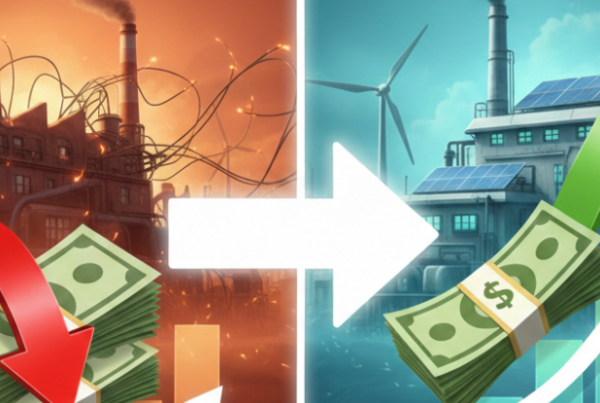



Sustainability has evolved from being a corporate buzzword to a critical business imperative, especially for industrial Small and Medium-sized Enterprises (SMEs) in Singapore. As industries face increasing regulatory pressures, rising operational costs, and growing consumer demand for sustainable practices, adopting a clear sustainability roadmap is no longer optional—it’s essential for future-proofing businesses.
In Singapore, the government has been actively promoting sustainable initiatives through grants and incentives, aiming to help businesses transition towards greener practices. For industrial SMEs, this transition can be challenging, but with the right guidance, it can be a rewarding journey. A 5-step sustainability roadmap can help guide SMEs towards integrating sustainability into their operations, reducing costs, improving efficiency, and enhancing their competitiveness in the global market.
Step 1: Conduct a Sustainability Assessment
The first step in creating a sustainable future for your business is to understand where you currently stand. This involves conducting a comprehensive sustainability assessment to evaluate your company’s environmental impact, energy consumption, waste production, and supply chain sustainability.
Key elements of the assessment include:
- Energy Use: How much energy does your company consume? What are the primary sources (e.g., electricity, gas, etc.)?
- Waste Management: What kind of waste is produced, and how is it disposed of? Are there opportunities for reducing waste or recycling?
- Resource Efficiency: How efficiently does your company use raw materials, water, and other resources?
- Carbon Footprint: What is the carbon footprint of your operations? How much greenhouse gas is emitted by your activities?
Government programs and sustainability grants can assist in conducting these assessments, such as the Energy Efficiency Grants for SMEs available in Singapore, which aim to help businesses lower energy consumption and reduce costs.
Step 2: Set Clear Sustainability Goals and Objectives
Once the current sustainability status is clear, the next step is to establish specific, measurable, achievable, relevant, and time-bound (SMART) goals. These goals should be aligned with both regulatory requirements and the long-term sustainability vision of the company.
Some example goals for industrial SMEs in Singapore might include:
- Reducing energy consumption by 10% over the next two years.
- Transitioning to renewable energy sources, such as solar or wind, for 30% of the company’s energy needs.
- Achieving a 20% reduction in waste sent to landfills within a year.
- Increasing the percentage of recycled materials used in production processes.
Setting these goals not only helps SMEs move towards sustainability but also enables companies to track progress and make adjustments when necessary. By adopting government sustainability grants, SMEs can also access funding to support these efforts.
Step 3: Implement Sustainable Practices and Technologies
Implementing sustainable practices requires changes across various facets of the business, from manufacturing processes to employee behavior. This step involves identifying and adopting technologies and practices that will help reduce environmental impact and operational costs.
Key areas to focus on include:
- Energy Efficiency: Installing energy-efficient equipment, upgrading lighting systems to LEDs, optimizing HVAC systems, and reducing unnecessary energy consumption can significantly lower electricity bills.
- Renewable Energy Integration: Consider integrating solar panels, wind energy, or other renewable sources into your operations. The Singapore government offers incentives to help businesses transition to renewable energy through various funding programs.
- Sustainable Manufacturing: Streamlining production processes to reduce resource consumption, adopting lean manufacturing techniques, and using eco-friendly raw materials can help SMEs operate sustainably.
- Waste Reduction: Implementing recycling systems, reducing packaging materials, and repurposing waste can dramatically reduce landfill waste. Industrial SMEs should also consider adopting circular economy principles, where waste from one part of the process can become a resource for another.
This step requires investment, but SMEs can access various financial incentives from both the Singapore government and international funding organizations to ease the financial burden. Programs like Enterprise Singapore’s Sustainability and Green Technology Fund provide grants for adopting sustainable technologies.
Step 4: Engage Stakeholders and Foster a Sustainability Culture
For sustainability efforts to succeed, it is essential to engage employees, suppliers, and customers. This involves fostering a culture of sustainability within the company, where every stakeholder understands the importance of sustainability and is motivated to contribute.
- Employee Training and Awareness: Equip your team with the knowledge and tools they need to adopt sustainable practices in their day-to-day activities. Training employees on energy-saving practices, waste reduction, and sustainable product development can make a significant impact.
- Supply Chain Sustainability: Engage with your suppliers to ensure that they are also adopting sustainable practices. This might involve selecting suppliers who have a track record of sustainable operations or requiring that they meet certain sustainability criteria.
- Customer Engagement: Let your customers know about your sustainability efforts. Many consumers are increasingly choosing to support companies that are socially and environmentally responsible. Transparent communication can help enhance your brand’s reputation and attract new business.
Step 5: Monitor, Report, and Optimize
The final step in the sustainability roadmap involves monitoring progress, reporting on the outcomes, and continuously optimizing sustainability efforts. Regularly reviewing performance against set goals is crucial to ensure that sustainability initiatives are delivering the expected benefits.
- Tracking Performance: Use tools and software to track key sustainability metrics such as energy consumption, waste production, and carbon emissions. Regular data analysis allows you to identify areas of improvement and make data-driven decisions.
- Reporting and Transparency: Reporting your sustainability efforts, both internally and externally, is vital. Many SMEs are opting for sustainability reporting frameworks such as the Global Reporting Initiative (GRI) or the Carbon Disclosure Project (CDP), which help track and disclose environmental, social, and governance (ESG) performance.
- Continuous Improvement: Sustainability is a journey, not a one-time project. Regularly assess the impact of implemented changes and strive for continuous improvement. This includes seeking new technologies, optimizing processes, and setting more ambitious goals.
Benefits for SMEs
Cost Savings: Improved operational efficiency reduces waste and energy costs.
Competitive Edge: Meeting client demands for sustainable, ESG-compliant suppliers.
Talent Attraction: Attracting and retaining employees who prefer working for responsible companies.
Risk Mitigation: Ensuring preparedness for environmental changes and evolving regulations.
Conclusion
For industrial SMEs in Singapore, adopting a sustainability roadmap is essential to staying competitive in a rapidly evolving market. By following the 5-step process—conducting a sustainability assessment, setting clear goals, implementing sustainable practices, engaging stakeholders, and monitoring progress—SMEs can successfully reduce their energy bills, lower operational costs, and contribute to a greener, more sustainable economy.
In addition to the environmental and cost-saving benefits, sustainability initiatives will also help SMEs comply with increasingly stringent regulations and meet the growing demands from consumers for greener products and services. With government incentives and sustainability grants available, the path to a sustainable future is not only possible but achievable for industrial SMEs in Singapore.
Reference:
– https://www.weforum.org/publications/sustainability-meets-growth-a-roadmap-for-smes-and-mid-sized-manufacturers/
– https://accountancyeurope.eu/wp-content/uploads/2023/09/230905_5-step-starting-guide-to-a-sustainable-transition-for-SMEs.pdf
– https://www.gov.uk/government/collections/find-energy-grants-for-you-home-help-to-heat