


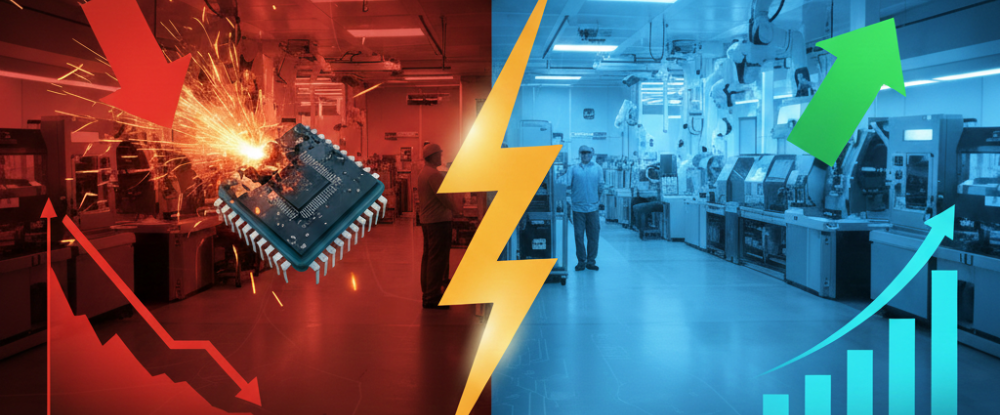
The semiconductor industry is a cornerstone of global technological advancement, and Singapore’s semiconductor fabs are no exception. Known for its advanced manufacturing capabilities, Singapore plays a crucial role in the global supply chain, contributing significantly to sectors like consumer electronics, telecommunications, automotive, and more. However, despite the industry’s dominance, Singapore’s semiconductor fabs are facing a significant challenge that is eroding profits and impacting their operations: voltage sags. These brief but intense drops in voltage can have catastrophic effects on the delicate machinery in semiconductor fabs, leading to extensive downtime, equipment failure, and even loss of products.
The Hidden Cost of Voltage Sags
Voltage sags, also known as “brownouts,” are sudden drops in voltage that can occur due to various reasons such as power grid fluctuations, equipment malfunctions, or external weather factors. These events can be devastating in semiconductor fabrication plants, where high-precision and consistent power quality are paramount for manufacturing chips and components. A voltage sag can cause production delays, scrap products, damage to sensitive equipment, and system failures, all of which add up to significant financial losses.
The impact on Singapore’s semiconductor fabs is substantial. According to the Singapore Economic Development Board (EDB), the semiconductor industry accounts for nearly one-fifth of the nation’s total manufacturing output, representing a significant portion of Singapore’s economy. As fabs increasingly rely on sophisticated, highly sensitive equipment to meet global demand, the cost of downtime becomes even more pronounced.
These voltage sags can cause:
- Production Halt: Sensitive equipment used in semiconductor fabrication processes can stop functioning momentarily, leading to delays.
- Equipment Damage: The sudden voltage drops can cause irreversible damage to the machinery and reduce their lifespan.
- Product Loss: Chips or components may become defective due to power instability, leading to waste and the loss of valuable materials.
- Increased Operational Costs: Power fluctuations increase maintenance costs, forcing fabs to invest more in preventive measures and repairs.
This is a growing concern for Singapore’s semiconductor sector, which is dealing with more complex designs and higher volumes of production. Voltage-related losses could potentially erode the competitiveness of Singapore’s semiconductor fabs in an increasingly competitive global market.
The Role of SEMI F47 Testing in Mitigating Voltage Sag Losses
To combat these issues, SEMI F47-0706 testing plays a critical role. SEMI F47 is an international standard that addresses voltage sags and their impact on semiconductor equipment. By performing SEMI F47 testing, fabs can assess how their equipment responds to voltage sags and ensure it complies with global standards for operational resilience during power disturbances.
SEMI F47 testing evaluates a semiconductor fab’s equipment for its ability to withstand voltage sags without causing malfunction or system failure. This testing provides valuable insights into how equipment responds under different power fluctuation conditions and helps manufacturers identify weaknesses in their systems. By ensuring that equipment can survive brief drops in voltage, fabs can drastically reduce the risk of damage and downtime.
Why SEMI F47 Testing Matters:
- Prevention of Equipment Damage: SEMI F47 ensures that equipment is robust enough to handle voltage fluctuations without catastrophic failure.
- Increased Operational Efficiency: With SEMI F47 compliant systems, fabs can operate continuously without frequent interruptions from power sags, ensuring better uptime and more efficient production.
- Compliance: As semiconductor fabs worldwide strive for higher production standards, SEMI F47 testing helps ensure compliance with international standards, thus meeting industry regulations.
The Bigger Picture: Why the Semiconductor Industry Is Struggling
While voltage sags are a major concern, they are just one aspect of a broader set of challenges facing the semiconductor industry globally. The semiconductor sector, including companies like SMIC (Semiconductor Manufacturing International Corporation), is facing several hurdles:
- Supply Chain Constraints: Global chip shortages, exacerbated by geopolitical tensions and the COVID-19 pandemic, have left manufacturers scrambling to meet demand, leading to inefficiencies and cost spikes.
- Rising Raw Material Prices: The cost of raw materials required for chip production, like silicon and rare earth elements, has surged, squeezing margins and making it harder to remain profitable.
- Geopolitical Tensions: Trade restrictions, especially between major markets like the US and China, are affecting semiconductor companies. SMIC, for example, has faced substantial challenges due to export bans, restricting its access to critical technology and limiting its growth potential.
- Technological Complexity: As chip designs become more intricate, the margin for error narrows. Voltage sags, even if they last for just milliseconds, can disrupt this delicate process, leading to significant losses in productivity and yield.
These external factors compound the internal challenges of voltage sag and other operational inefficiencies, making it crucial for companies to explore solutions like SEMI F47 testing to mitigate risks and ensure operational stability.
Conclusion
For Singapore’s semiconductor fabs to remain competitive, it is essential that they invest in technologies and solutions that minimize the risks of voltage fluctuations and improve operational resilience. SEMI F47 testing offers a proactive approach to this problem, ensuring that equipment and systems can withstand the challenges posed by voltage sags. By embracing such testing, fabs can not only protect their equipment but also optimize their operations, reduce downtime, and prevent costly losses that impact their bottom line.
As the semiconductor industry continues to grapple with its broader challenges, focusing on power quality and testing compliance becomes a necessary step toward safeguarding future growth and profitability in this vital sector. For semiconductor fabs in Singapore, SEMI F47 testing is not just a precaution it’s a critical investment in operational stability and long-term success.
Reference:
– https://www.edb.gov.sg/en/business-insights/insights/the-chips-arent-down.html
– https://www.azom.com/article.aspx?ArticleID=17287