


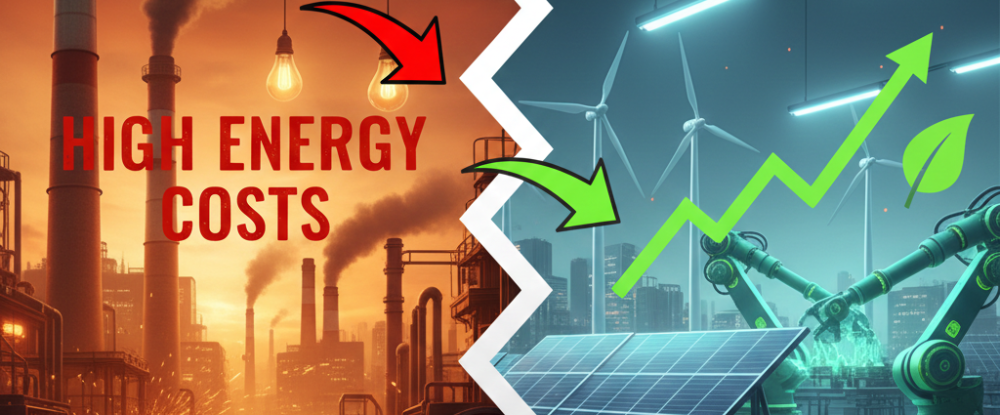
Energy costs represent a significant portion of operational expenses for many factories. As energy prices continue to rise, manufacturers are under increasing pressure to find ways to reduce their energy consumption and improve cost-efficiency. Fortunately, by implementing smart energy management strategies, investing in modern technologies, and optimizing production processes, factories can significantly lower their energy costs while also contributing to environmental sustainability.
This article explores practical strategies that can help factories reduce energy costs and improve overall efficiency. By making small but impactful changes, manufacturers can see both short-term savings and long-term benefits.
Implement Energy Monitoring Systems
One of the most effective ways to reduce energy costs in a factory is by investing in energy monitoring systems. These systems track energy consumption across various departments, machines, and processes in real-time. By gaining visibility into how energy is being used, factory managers can pinpoint inefficiencies and take corrective actions.
For example, energy monitoring systems can detect energy spikes, equipment malfunctions, or overconsumption during non-productive hours. Armed with this data, managers can adjust machine usage patterns, optimize production schedules, and improve overall energy management.
Upgrade to Energy-Efficient Equipment
Outdated machinery and equipment are often major culprits in high energy consumption. Upgrading to energy-efficient machines can significantly reduce the amount of energy needed for production. Modern equipment is designed to meet higher efficiency standards and uses less power without compromising performance.
For instance, replacing old motors with energy-efficient ones or upgrading lighting systems to LED lights can yield substantial energy savings. Additionally, newer machines often come with built-in energy-saving modes that help to reduce power consumption during idle times.
Optimize Heating, Ventilation, and Air Conditioning (HVAC) Systems
In many factories, heating, ventilation, and air conditioning (HVAC) systems are one of the largest energy consumers. Optimizing the performance of HVAC systems can lead to considerable savings on energy costs.
To reduce energy consumption, consider implementing these strategies:
- Regularly servicing HVAC systems to ensure optimal performance.
- Installing programmable thermostats that adjust temperatures based on factory schedules and occupancy.
- Using energy recovery ventilation systems to improve air quality without consuming excessive energy.
- Insulating ducts and windows to reduce heating and cooling losses.
Improve Lighting Efficiency
Lighting systems can account for a significant portion of a factory’s energy bill. By implementing energy-efficient lighting solutions, factories can drastically reduce energy costs.
Upgrading to LED lighting is one of the most effective ways to improve lighting efficiency. LED lights use far less energy than traditional fluorescent or incandescent bulbs and last significantly longer, reducing both energy consumption and maintenance costs. Additionally, consider using motion sensors or daylight sensors to ensure that lights are only on when necessary, further reducing wasted energy.
Implement Energy-Saving Production Practices
Energy usage in a factory is heavily influenced by the production process. Small changes in production practices can make a big difference in energy consumption. Here are some key strategies to optimize energy use in production:
- Lean Manufacturing: Adopt lean manufacturing principles to minimize waste and improve operational efficiency. By streamlining processes and reducing unnecessary steps, factories can reduce energy usage and improve productivity.
- Preventive Maintenance: Regularly servicing and maintaining machines ensures they operate at peak efficiency. Broken or malfunctioning equipment tends to consume more energy, so preventive maintenance helps avoid unnecessary energy wastage.
- Energy-Efficient Process Design: Rethink the layout and design of production lines to minimize energy consumption. For example, machines that require constant heating should be grouped together to optimize energy use.
Consider Renewable Energy Sources
Incorporating renewable energy sources, such as solar or wind power, into factory operations can be a long-term solution to reduce energy costs. While the initial investment in renewable energy infrastructure may seem significant, it can pay off in the long run by providing a more stable and affordable energy supply.
For factories in sunny regions, installing solar panels on the roof can be an excellent way to generate electricity onsite. For factories in windy locations, wind turbines can also provide a sustainable energy source. Additionally, many governments offer incentives and tax credits for businesses that invest in renewable energy, further reducing the financial burden.
Read more: EcoStruxure Power Expert: Revolutionizing Power Monitoring and Management
Promote Employee Awareness and Engagement
Employees play a crucial role in reducing energy costs. Creating a culture of energy efficiency within the workplace can lead to better overall energy management. Encourage employees to turn off lights when not in use, power down machines at the end of the day, and adopt energy-saving practices in their day-to-day tasks.
Additionally, providing training on energy efficiency best practices and setting energy-saving targets can motivate employees to contribute to energy conservation efforts. Recognizing and rewarding energy-saving initiatives can also foster a proactive attitude towards sustainability.
Utilize Smart Technologies and Automation
Automation and smart technologies can help factories reduce energy consumption by optimizing energy use across production processes. For example, automated systems can regulate lighting, temperature, and equipment use based on real-time data, ensuring that energy is only consumed when necessary.
Moreover, technologies such as IoT (Internet of Things) sensors and AI-powered energy management systems can analyze energy patterns and provide real-time insights, allowing managers to make data-driven decisions that lead to lower energy costs. These systems can also predict energy needs and schedule energy-intensive tasks during off-peak hours when energy costs are lower.
Leverage Energy Procurement Strategies
Another way to reduce energy costs is through strategic energy procurement. By negotiating favorable contracts with energy suppliers or participating in energy buying groups, factories can secure lower rates for the energy they purchase.
Additionally, energy procurement strategies such as demand-side management where factories adjust their energy usage in response to price fluctuations can help reduce energy costs during peak demand periods. By shifting high-energy processes to off-peak times, factories can avoid high electricity charges and reduce overall energy expenses.
Conclusion
Reducing energy costs in factories is not just about cutting expenses, it’s about creating a more sustainable and efficient manufacturing environment. By implementing the strategies outlined in this article, factories can reduce their energy consumption, lower costs, and contribute to environmental sustainability.
Investing in energy-efficient technologies, optimizing production practices, and adopting smart energy management solutions will enable factories to remain competitive in an increasingly energy conscious world. As energy prices continue to fluctuate, businesses that prioritize energy efficiency will be better positioned to thrive in the long term.