

Singapore stands at the forefront of industrial automation in Southeast Asia. With its strategic location, highly developed manufacturing sector, and forward-thinking government initiatives, the city-state has become a regional leader in the adoption of automation technologies. The country’s emphasis on Industry 4.0 has led to the widespread integration of cutting-edge technologies such as robotics, artificial intelligence (AI), machine learning (ML), and the Internet of Things (IoT), all of which are revolutionising its industrial landscape.
The Rise of Industrial Automation in Singapore
Singapore’s rapid adoption of industrial automation has been driven by several factors:
Government Support:
Initiatives such as the Smart Industry Readiness Index (SIRI) and the Smart Nation Programme have been instrumental in encouraging companies to integrate smart technologies into their operations. Financial incentives, talent development programmes, and infrastructural support are also vital components of this push.
Technological Advancements:
Robotics, AI, ML, and IoT have become integral to Singapore’s industrial sector. The use of automated systems and connected technologies has paved the way for increased production efficiency, real-time monitoring, and predictive maintenance, all contributing to cost savings and enhanced productivity.
Market Growth:
With its position as a manufacturing powerhouse, Singapore has embraced automation as a tool to remain competitive on the global stage. The robot density in Singapore’s manufacturing sector reached 770 units per 10,000 employees in 2023, one of the highest in the world. This remarkable density highlights the country’s commitment to integrating automation into its core industries.
Key Technologies Driving Industrial Automation
Robotics and Automation Systems
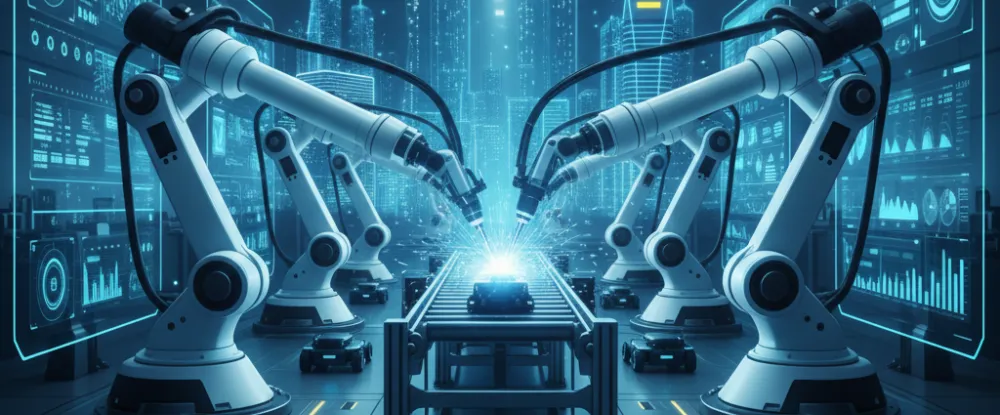
Robotics plays a central role in industrial automation, particularly in manufacturing sectors such as electronics, oil and gas, aerospace, and transportation. Singapore’s robotics solutions range from simple robotic arms to complex AI-driven robots capable of autonomous learning and self-optimisation. These robots enhance precision, reduce human error, and improve overall operational efficiency.
Artificial Intelligence and Machine Learning
AI and ML enable machines to learn from data, improving decision-making and system performance over time. In manufacturing, AI-driven solutions help with everything from real-time production monitoring to predictive analytics for asset management and process optimisation.
IoT-Enabled Devices
IoT technologies facilitate real-time data collection and communication between machines and centralised systems. By integrating IoT sensors in industrial machinery, manufacturers gain valuable insights into equipment performance, operational bottlenecks, and energy consumption, which can be used to drive improvements.
Smart Factories
A hallmark of Industry 4.0, smart factories leverage interconnected systems that collect and analyse data in real time. By deploying IoT, AI, and robotics within smart factory environments, businesses can reduce waste, increase flexibility, and streamline operations, all while maintaining high standards of quality.
Read more: Industrial Automation Solutions: Enhancing Efficiency & Innovation in Manufacturing
Key Industries Embracing Automation in Singapore
Industrial automation in Singapore spans multiple sectors, including:
Manufacturing:
The backbone of Singapore’s economy, with automation solutions improving production efficiency, quality, and cost-effectiveness.
Electronics:
Automation plays a crucial role in precision manufacturing for electronic components, enabling higher output with improved accuracy.
Oil and Gas:
Automation technologies are used to monitor and manage complex processes, ensuring safety, reliability, and cost optimisation in energy production.
Transportation and Logistics:
Automation in these industries is crucial for streamlining supply chains, improving inventory management, and enhancing overall operational speed.
Benefits of Industrial Automation
Increased Efficiency and Productivity
Automation streamlines production processes, reducing the need for manual intervention. Machines equipped with AI and IoT systems can operate 24/7 with minimal downtime, leading to higher output and productivity.
Predictive Maintenance
The ability to predict equipment failures before they occur is one of the most significant advantages of automation. Predictive maintenance, supported by IoT and machine learning, allows companies to schedule maintenance only when necessary, minimising unplanned downtime and extending the lifespan of critical assets.
Improved Quality and Consistency
Automated systems ensure that products are manufactured to precise specifications, improving quality control. With fewer human errors, companies can achieve consistent product quality, which is vital for maintaining customer satisfaction and meeting regulatory standards.
Cost Savings
With automation, businesses can reduce operational costs by cutting labour expenses, improving energy efficiency, and minimising waste. Automation also lowers the risk of costly errors and enhances the longevity of equipment, which can result in long-term financial savings.
Challenges of Adopting Industrial Automation
Despite its many benefits, the adoption of industrial automation in Singapore is not without challenges:
Integration with Legacy Systems:
Many companies face difficulties integrating new automation technologies with existing legacy systems. This can slow down the adoption process and lead to higher upfront costs.
Workforce Adaptation:
The transition to automated systems can lead to disruptions in the workforce, particularly in sectors where jobs are highly manual. Retraining and reskilling programmes are essential to ensure that employees can transition to new roles within an increasingly automated environment.
Technological Sovereignty:
Overreliance on imported automation solutions may raise concerns about technological sovereignty, particularly in critical industries. It is important for Singapore to develop its own technological capabilities and reduce dependency on external suppliers.
Looking Ahead: The Future of Industrial Automation in Singapore
As Singapore continues to embrace industrial automation, the future looks promising. Key areas of development include:
AI and Robotics:
Expect further advancements in AI-driven manufacturing systems and the widespread adoption of collaborative robots (cobots) that can work alongside human operators.
5G Connectivity:
With the rollout of 5G, Singapore’s manufacturing sector will experience even faster data transfer speeds, enabling real-time remote monitoring and enhanced connectivity across automated systems.
Sustainability Initiatives:
As regulatory requirements for sustainability grow, automation technologies will play a crucial role in helping companies reduce energy consumption, optimise resource usage, and comply with environmental standards.
Conclusion
Industrial automation in Singapore is not just a trend but a strategic move that strengthens the country’s position as a global manufacturing leader. With the continuous adoption of advanced technologies such as AI, IoT, and robotics, Singapore is well on its way to shaping the future of manufacturing. Despite challenges, the country’s commitment to innovation, supported by government initiatives and industry leaders, ensures that it will remain at the forefront of industrial automation in Southeast Asia and beyond.