


AI predictive maintenance for motors
A pre-trained AI model turns vibration, temperature and electrical data into a remaining useful life estimate, so you can plan the stop instead of reacting to it.

Why motor faults are found late
Motors run most of a plant, yet their maintenance is often scheduled by the calendar or triggered after something has already gone wrong. Predictive maintenance closes that gap, but rule-based systems depend on tuned thresholds and on failure data that many plants do not have.
Reactive habits
Routine motor maintenance is traditionally reactive, so a bearing or winding problem is often found only after it causes unplanned downtime.
Threshold guesswork
Rule or baseline triggers need the right alarm levels. Set them too tight and the team learns to ignore alerts; set them too loose and a real fault slips through.
Sensor sensitivity
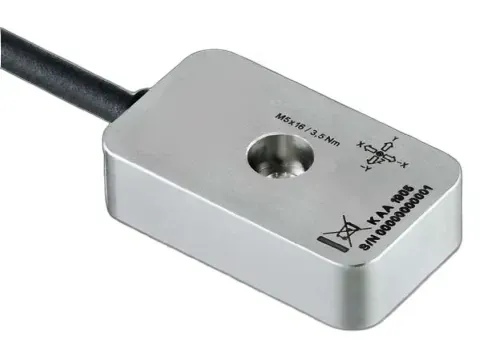
Vibration data is only as reliable as the way the sensor is mounted, so installation accuracy matters.
No failure history
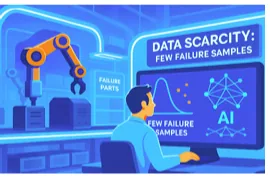
Most assets rarely fail, so there is little failure data to teach a model what failure looks like, and every brand, age and load pattern behaves differently.
Building the AI yourself
Months of sensorising machines and collecting data, specialist skills to build and deploy models, and ongoing support. A ready model changes the starting point.
How the system works
Three steps, from the motor to a decision your maintenance team can plan around.
Measure
Sensors on the motor and its supply capture vibration, temperature, current and voltage.
Model
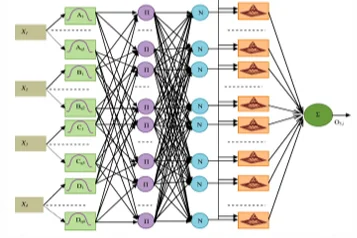
A pre-trained foundation model, built with A*STAR on process data, reads those signals. Because it is already trained, it adapts to your machines with few-shot learning rather than starting from scratch.
Predict
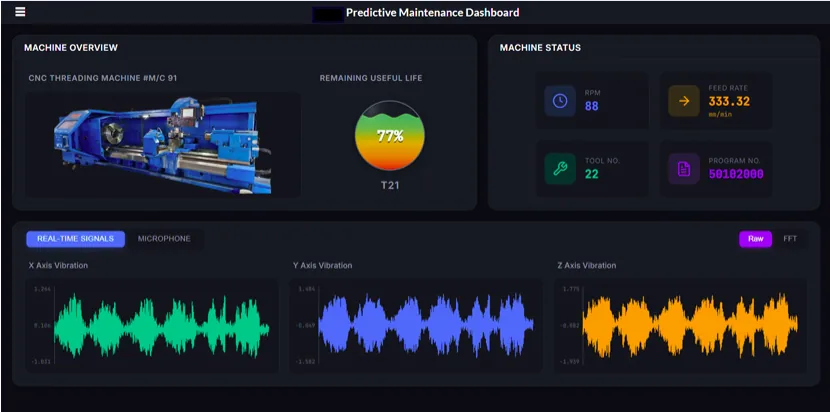
The system estimates the remaining useful life of the motor and flags anomalies on a condition dashboard, so maintenance can be planned before a failure rather than after it.
Conventional versus foundation models
| Conventional approach | Foundation model approach | What it means for you | |
|---|---|---|---|
| Training | A model trained from scratch for each machine, with limited reuse | One generalisable base model across machines | You are not rebuilding the model for every motor |
| Data needed | High data requirements for each deployment | Few-shot adaptation with minimal data | A plant with little failure history can still start |
| Development | Slow cycles and long validation | Rapid deployment on new assets | Faster path from installation to useful insight |
| Cost to scale | Costly to extend across assets | Lower cost per asset type | Easier to roll out beyond the first motor |
What is installed on the motor
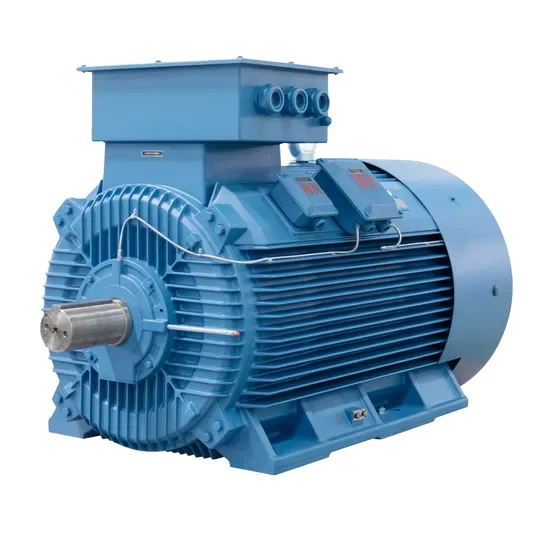
Motor
The asset being monitored.
Vibration sensor
Shows wear and alignment changes early.
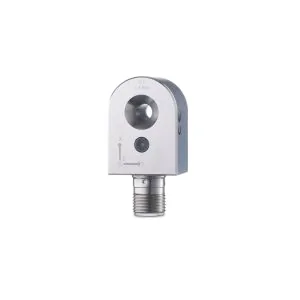
Temperature sensor
Picks up heat build-up before it becomes damage.
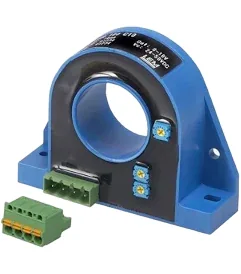
Current and voltage transducers
Separate supply problems from motor problems.
Controller
Gathers the signals and passes them to the AI model, one point where all signals come together.
AI model
Estimates remaining useful life and detects anomalies, the step from raw data to a decision.
Dashboard
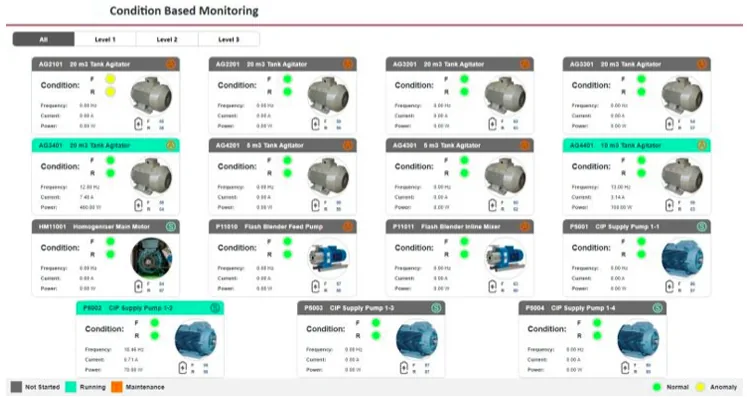
Shows motor condition, status and alerts, so your team sees what needs attention at a glance.
Every motor in one view
The condition dashboard groups motors by area and shows whether each one is running, in maintenance or showing an anomaly, along with frequency, current and power.
Who this is for
Maintenance engineers and technicians
Earlier warning without having to become data scientists.
Plant and production managers
Plan around unplanned stops on pumps, agitators, blenders, fans and other critical motors.
Facilities with limited failure history
A model that needs thousands of failure examples is not realistic here; a pre-trained one is a better starting point.
Frequently asked questions
What is AI predictive maintenance for motors?
It is the use of an AI model to read signals such as vibration, temperature, current and voltage from a motor and estimate how much useful life remains, so that maintenance can be planned before the motor fails.
What does the system measure?
Vibration, temperature, current and voltage. Together they describe the mechanical and electrical condition of the motor.
Do I need failure data from my own motors?
Not in the way a conventional model does. Most assets rarely fail, so failure data is scarce. The AI model is pre-trained and adapts to your motors using few-shot learning with limited data.
How is this different from a condition monitoring device with alarm thresholds?
A threshold device alerts when a reading crosses a fixed level that someone has to set. The AI model learns what normal looks like for the machine and estimates remaining useful life, which gives your team a trend to plan around rather than a single alarm.
Who developed the AI model?
The model was developed in collaboration with A*STAR, Singapore's Agency for Science, Technology and Research.
How do we start?
Tell our engineers which motors matter most, their duty and how often they have failed. We will advise whether the solution fits and what would be installed. Speak to our engineers.
Plan around motors, not breakdowns
Share the motors that cause the most disruption and our SMART team will tell you whether AI predictive maintenance is a fit.